Water Safety
Darwin Dolphin
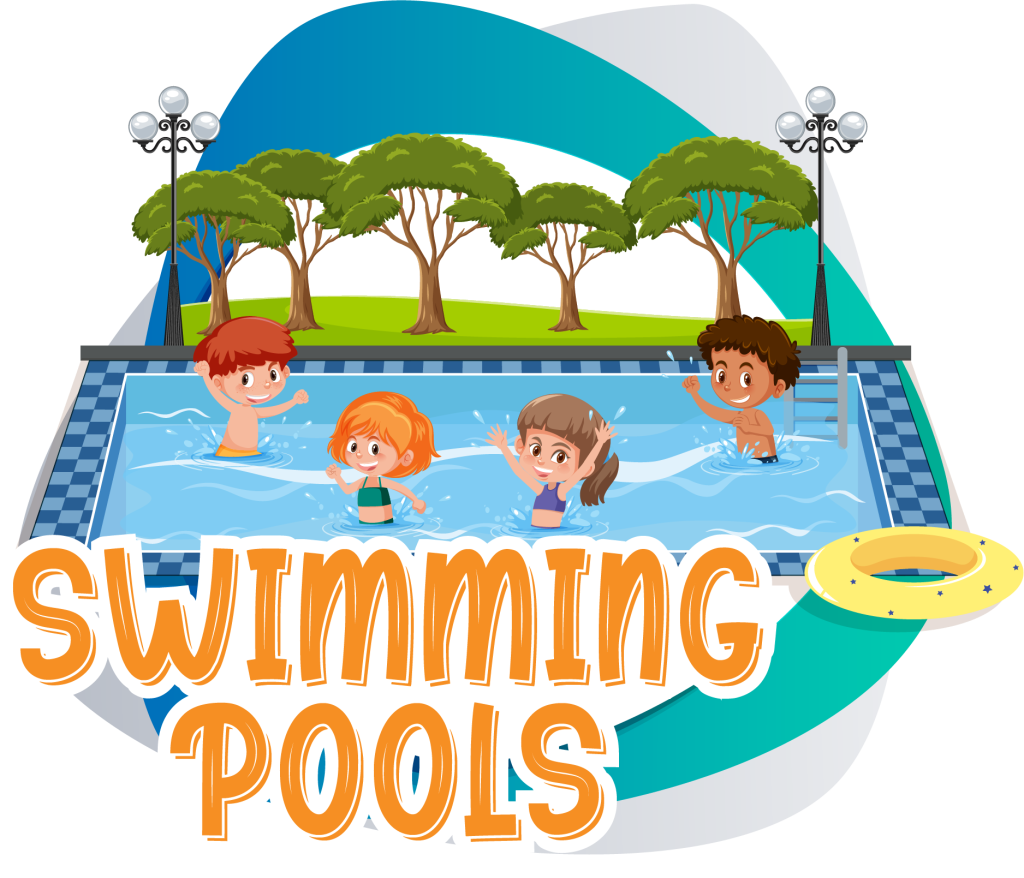
Everybody loves a day at the pool, and we love it even more when everyone is safe. Whether you’re at a public pool or in someone’s backyard, here are some important rules to follow to make sure everyone stays safe and has a great time at the pool.
- Never go into the pool area without an adult.
- Walk (don’t run) around the pool’s edge.
- The edge of the pool is slippery!
- If you can’t swim or are still learning, you need to:
- Wear a life vest. This will keep your head above water.
- Make sure you swim in the shallow end with an adult.
- Make sure an adult is within arm’s reach at all times.
- Always go into the pool feet-first, and check the depth of the pool before you enter the water.
- Parents: All it takes is a single moment’s inattention, the time it takes to:
- Make or answer a short phone call
- Have a quick scan through your social media feed
- Make a cup of tea
Supervise your children at ALL times. The only safe pool environment is one where children cannot gain access to a pool without adult supervision. That’s why all swimming pools need to be fenced.
Information provided courtesy of Water Safety New Zealand. www.watersafety.org.nz

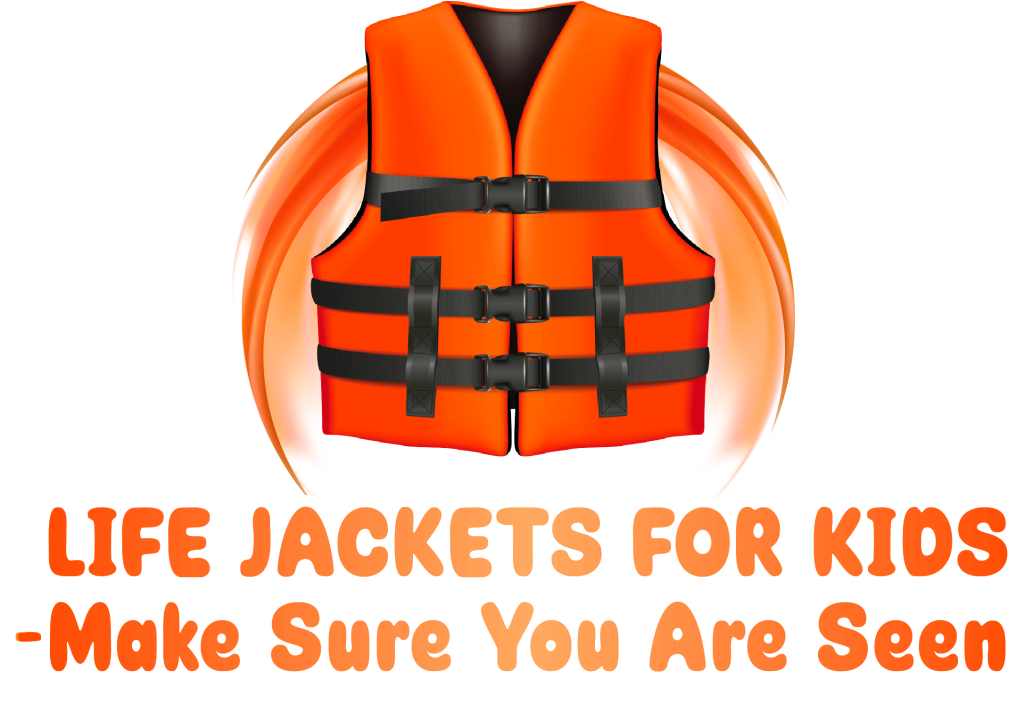
When it comes to messing about in boats, there is always a danger of getting into serious trouble. Make sure your child has a life jacket; it’s not only responsible but also a legal requirement. A life jacket could just about be the best present your kids get this summer.
When choosing a life jacket, ensure that it has enough buoyancy to float your child with their head and shoulders above the water. It must not have the tendency to turn your child on their face – “down position.” Because children can vary in their shape – they can be thin, short, or tall, yet still weigh the same – it is vital to spend time trying on different brands and types. The jacket must suit the activity the child will be doing, and, above all, it must be comfortable.
It must be a good fit and be the correct size for their body weight. It is critical when buying a life jacket, be it a full life jacket, buoyancy vest or inflatable jacket, that you never buy one that your child will grow into – it must fit NOW!
Fastenings should be durable, with zips made out of plastic and not metal.
Colour choice is also something to consider, as bright, contrasting colours aid location during rescue. The most effective colours are RED, ORANGE and YELLOW.
Comfort is an important consideration to make because if the jacket isn’t comfortable, the child will not want to wear it. Ideally, you should find yourself having to remind your child to take the life jacket off as they walk away from the boat because it’s such a snug fit! While being a good fit, it should also be easy to take on and off and allow freedom of movement in and out of the water.
Understanding the ocean is extremely important, especially in New Zealand. The more you know about how waves, wind and tides affect water conditions, the better you are at keeping yourself and others safe from danger.
Surf Life Saving New Zealand patrol over 80% of our busiest beaches each summer. Always swim between the flags, as they identify the safest area to swim when an active lifesaving patrol is on the beach.
A rip is a strong current of water running out to sea. They can be very dangerous to swimmers as they can quickly and unexpectedly sweep you out to sea.
Rip currents can be hard to spot, but by understanding a few key features, you can learn to identify rips:
- Discoloured or murky brown water caused by sand stirred up off the bottom.
- A smoother surface of water with much smaller waves, with waves that break on either side.
- Debris floating out to sea.
- A rippled surface, when the water around is generally calm.
If you get caught in a rip:
- Don’t panic
- Don’t try to swim against the rip back to shore.
- Let the rip carry you out until the current subsides, then swim parallel to the beach for 30-40 metres before swimming back to shore.
- If you get tired or become frightened, stay calm, raise your arm, call for help and wait for assistance.
Kayaks
Kayaks are a great way to have fun and explore New Zealand’s beautiful oceans, rivers and lakes. Used properly, they are very safe, but their limitations need to be understood. When kayaking, always make sure you can be seen, especially when you’re kayaking in areas used by other craft.
- It is essential to have buoyancy bags or blocks fitted to make sure your kayak stays level so it can be reboarded if you capsize.
- Always wear a buoyancy vest or life jacket designed for kayaking; make sure you do not become separated from your kayak following a capsize.
Water Safety Quiz Activity

Time’s up